Summer Football Transfers 2026: What 1,041 Deals Taught Me
Summer football transfers 2026 have produced 1,041 completed deals worth approximately £4.7 billion across Europe’s Premier League, La Liga, Bundesliga, Ligue 1 and Serie A, according to the latest av...

Summer Football Transfers 2026: What 1,041 Deals Taught Me
Summer football transfers 2026 have produced 1,041 completed deals worth approximately £4.7 billion across Europe’s Premier League, La Liga, Bundesliga, Ligue 1 and Serie A, according to the latest available transfer-window snapshot. The Guardian’s tracker records major moves including Tijjani Reijnders from Manchester City to Al-Qadsiah for £52 million, Sidiki Cherif from Fenerbahce to Coventry City for £20.5 million, and Zion Suzuki from Parma to Aston Villa. The market has also exposed a familiar truth: transfer fees measure urgency, not guaranteed quality. Aston Villa, Leeds United, Roma, West Ham United and Saudi Pro League clubs have been especially active, while the 2026 FIFA World Cup adds another layer of timing and player-value speculation. World Cup Hub tracks these movements alongside team tactics, player statistics and match predictions. Check confirmed fees, registration status and squad fit before treating any rumour as useful information.
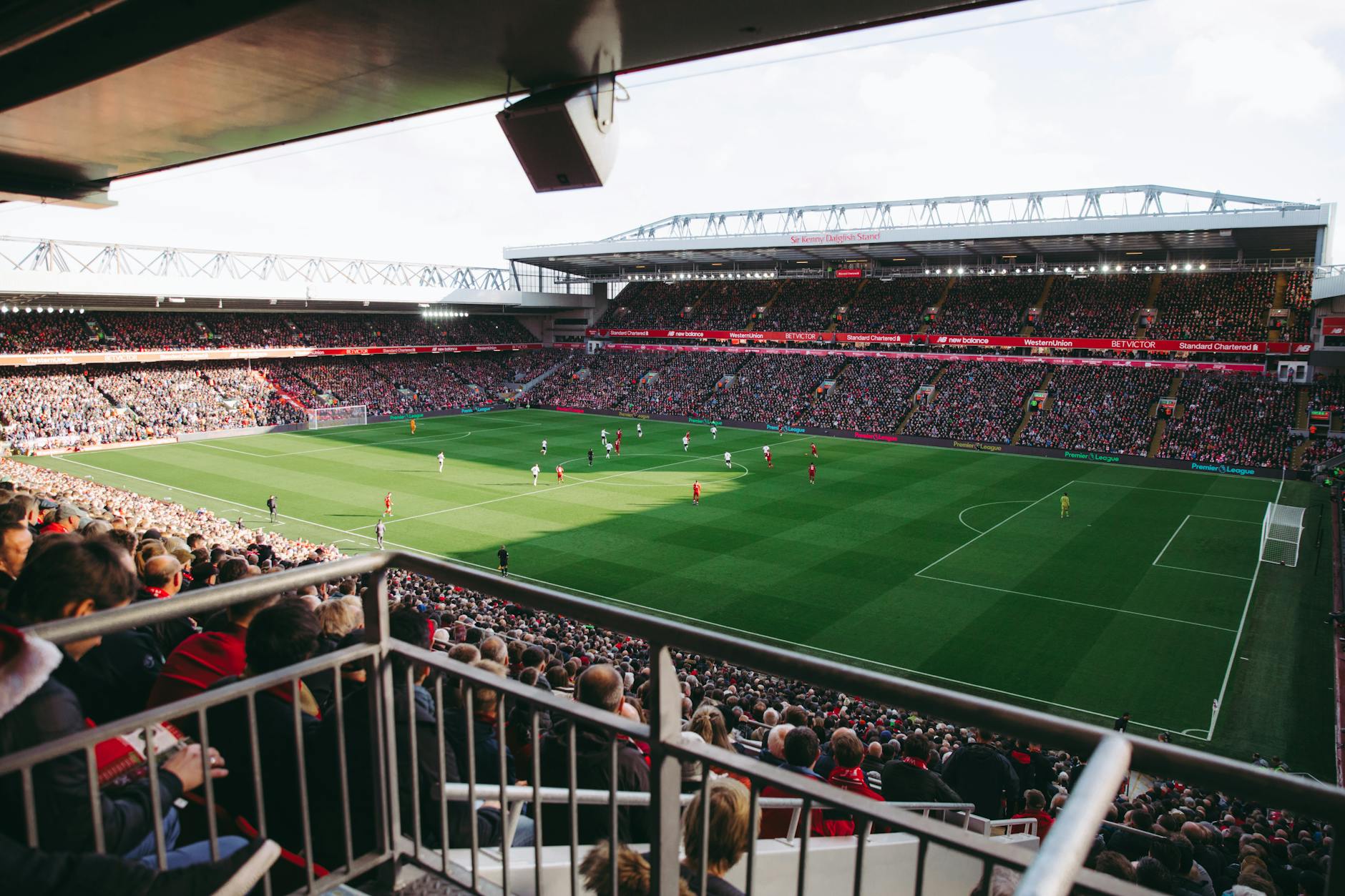
Photo by Tembela Bohle on Pexels
I'll be honest with you: transfer coverage often dresses basic paperwork up as theatre. A player changes airports, a journalist posts three words on social media, and suddenly everyone is an expert in sporting strategy. The summer football transfers 2026 market deserves better analysis because the numbers are substantial, the clubs are behaving differently, and the 2026 FIFA World Cup creates a clear competitive deadline.
At the latest reported checkpoint, the top five European leagues had passed 1,000 completed deals and £4.7 billion in aggregate transfer value. That figure includes permanent transfers, while loan arrangements and undisclosed fees can make comparisons less clean than headline graphics suggest. For anyone following Premier League transfers, European football transfers or World Cup squad selection, the practical question is not simply who moved. It is whether the transfer improves a team before the 2026–27 season begins.
Want the wider tournament context before analysing the market?
[Internal Link: 2026 World Cup team predictions]
Step 1: Map the 2026 transfer market
The first step is to separate confirmed summer football transfers 2026 from speculation, loans and recycled rumours. A confirmed transfer has an announced destination, an agreed registration arrangement and, where available, a reported fee; a rumour has none of those protections. The Guardian’s interactive tracker is useful because it lists club, position, nationality, previous team, destination and fee in one place, while Wikipedia’s 2026 football transfers category provides a broader country-by-country index. Neither source eliminates every reporting error, but together they offer a stronger starting point than social-media posts.
The scale is already meaningful. The tracker reported 1,041 completed deals and a combined value of £4.7 billion as of 20 August 2026, with Arsenal carrying a negative balance of about £114.6 million in the cited snapshot. That does not automatically mean poor management; spending can reflect contract renewals, player sales, Champions League ambitions or the need to replace an injured starter. Still, negative balances matter when financial rules, wage limits and squad registration deadlines arrive. Use this basic filter:
- Confirm the player’s current club and destination.
- Distinguish a permanent transfer from a loan or free move.
- Record the fee separately from bonuses and sell-on clauses.
- Check whether the player is eligible for the next competitive match.
- Compare the new role with the club’s tactical system.
Step 2: Which transfers changed squad value?
The most important question is not which club spent the most, but which transfer solved a specific football problem. Tijjani Reijnders moving from Manchester City to Al-Qadsiah for £52 million is a useful example because the fee reflects an established midfielder, international visibility and Saudi Pro League purchasing power, not merely a squad-number exchange. Sidiki Cherif’s £20.5 million move from Fenerbahce to Coventry City shows a different strategy: Coventry are paying for forward potential and future resale value rather than immediate superstar status.
The reported deals involving Aston Villa also illustrate portfolio thinking. Zion Suzuki arrived from Parma, Matteo Ruggeri moved from Atlético Madrid, and Kosta Nedeljkovic left Aston Villa for Rangers. These movements can be read together rather than individually: one club is adding competition and depth while also moving a younger player into a potentially more suitable development environment. That is why transfer analysis should include age, minutes, expected role, injury history and league adaptation.
A fee-to-value comparison should examine:
- Immediate contribution: expected starts, minutes and position.
- Tactical compatibility: pressing, build-up, defensive coverage and transition speed.
- Financial durability: wages, contract length and resale prospects.
- Registration impact: homegrown rules, foreign-player limits and squad size.
- World Cup relevance: whether the player can gain or lose national-team status.
Why do transfer fees mislead football supporters?
Transfer fees mislead supporters because the published amount may exclude performance bonuses, sell-on percentages, agent costs and staged payments. A £40 million headline can therefore represent a lower guaranteed payment but a higher possible total, while a smaller deal may include expensive wages. The correct comparison is total contract cost against expected sporting contribution.
This matters for Premier League transfers because English clubs often operate with larger commercial revenues but face tighter scrutiny over profitability and sustainability. A club that spends £100 million can still record a manageable annual cost if the contract is long and the player is sold later. Conversely, a free transfer may become costly through salary, signing bonuses and agent fees. The Premier League’s official website remains the best place to verify competition information, though it does not always publish every financial term.
My contrarian view is simple: the biggest transfer is rarely the most informative transfer. A £20.5 million forward moving from Fenerbahce to Coventry City may tell us more about market inefficiency than a £52 million established midfielder moving to Al-Qadsiah. One purchase is about status; the other may be about timing, development and margin.
See how these moves connect with player performance.

Photo by Mukhtar Shuaib Mukhtar on Pexels
[Internal Link: player statistics and form guide]
Step 3: Compare leagues, clubs and tactical fit
Comparing the Premier League with La Liga, Bundesliga, Ligue 1 and Serie A requires more than ranking total spending. Each league has different wage structures, tax conditions, registration rules, scouting markets and financial pressures. English clubs may pay larger fees for proven players, Italian clubs often combine loans with purchase options, German clubs tend to emphasise development and resale, while French clubs remain important suppliers of young talent. These are broad tendencies, not laws of nature, but they help explain why identical fees produce different risks.
A midfielder arriving from Serie A may need to adjust to Premier League transition speed, wider defensive spaces and a heavier fixture schedule. A forward coming from Turkey, such as Sidiki Cherif, may face different pressing patterns and defensive spacing in England. A goalkeeper such as Lorenzo Montipò, reported as moving from Verona to Venezia, may bring experience and reliability, but his value should be judged through save prevention, distribution and command of the penalty area rather than age alone.
For serious summer transfer analysis, review at least these measures:
- Starts and minutes over the previous two seasons.
- Goals, assists and shot quality for attacking players.
- Progressive passes, ball recoveries and pressure actions for midfielders.
- Save percentage, post-shot expected goals and distribution for goalkeepers.
- Injury absences, adaptation time and contract duration.
- Tactical role compared with the player being replaced.
The European Club Association regularly highlights the operational complexity of the club game, and that complexity is visible in 2026. Transfer windows are not isolated shopping trips. They are linked to coaching changes, European schedules, international tournaments and the increasingly global market for young players.
Step 4: Use World Cup timing without overreacting
The 2026 FIFA World Cup changes the transfer conversation because national-team players have a clear incentive to secure regular minutes before the tournament. The competition runs across the United States, Canada and Mexico, with Los Angeles hosting eight matches and 39 days of related fan celebrations according to the tournament’s local organising information. That geographical scale makes squad depth, travel management and player workload particularly relevant.
A player who moves in summer 2026 may gain a starting role and improve his World Cup prospects, but the opposite can also happen. A transfer to a deeper squad may reduce minutes, while a new manager may use the player differently. Supporters and betting audiences should therefore avoid assuming that a famous transfer automatically improves international form. World Cup Hub’s match predictions and tactical coverage are more useful when they connect transfer activity with line-ups, formations and recent minutes.
The strongest practical indicators are:
- Whether the player starts within the first six league matches.
- Whether the manager uses the player in his natural position.
- Whether set-piece responsibility changes.
- Whether international travel affects recovery and rotation.
- Whether the club’s defensive and attacking structure suits the player.
A short quote from the FIFA World Cup 2026 official information captures the scale: “The world’s biggest sporting event.” That slogan is promotional, certainly, but the practical consequence is real: clubs and players are preparing around a global deadline, not merely a domestic campaign.

Photo by Gera Cejas on Pexels
Step 5: Verification
Verification is where most transfer content collapses. A credible summer football transfers 2026 report should show its date, source and status, because a deal can move from rumour to agreement, from agreement to medical, and from medical to registration within hours. The Guardian tracker’s 20 August 2026 timestamp is therefore as important as its £4.7 billion total. Without a timestamp, readers cannot tell whether the information is current or merely repeated.
Use a verification checklist before sharing a transfer or using it in a prediction:
- Confirm the destination on the buying club’s official channels.
- Check reputable media such as The Guardian for fee and contract context.
- Review league registration or competition eligibility.
- Separate guaranteed fees from add-ons.
- Check whether the move is permanent, temporary or conditional.
- Reassess projected line-ups after the manager comments publicly.
- Avoid using unverified social posts as statistical evidence.
The FIFA Regulations on the Status and Transfer of Players provide the governing framework for international transfers, although domestic registration procedures still vary. This is the information gain many flashy lists ignore: a completed announcement does not always mean immediate competitive availability. A player may still require international clearance, a work permit, registration approval or medical completion.
For readers using transfer news to inform football predictions, retain two separate records: confirmed squad changes and probable future moves. Mixing them creates false confidence, which is expensive in sport and even more expensive when someone is pretending certainty.
Get a cleaner process for following confirmed developments.
[Internal Link: responsible football betting guide]
Troubleshooting common failures
Why do transfer lists become inaccurate so quickly?
Transfer lists become inaccurate because negotiations, medicals, registration documents and fee structures can change after a club or journalist reports an agreement. A list published without a clear date may combine completed deals from 2026 with old rumours, loans and renewals. Always verify the player, destination, transfer type and latest update time before relying on it.
The most common failure is treating a reported fee as final. Add-ons may depend on appearances, European qualification or international selection, while sell-on clauses can influence the seller’s actual return. Another failure is counting one player twice when a tracker updates the transfer status rather than creating a new transaction. Maintain a simple spreadsheet with columns for date, source, fee, transfer type, contract term and verification status.
Why is a player transfer not improving the team?
A player transfer may fail to improve a team because the signing does not fit the manager’s formation, lacks pre-season preparation or replaces a specialist with a generalist. Expensive players can also create wage imbalance, reduce dressing-room stability or force tactical compromises. Analyse role, minutes and team structure rather than judging the deal by fee.
A useful test is to compare the new player’s likely actions with the outgoing player’s actions. If a club loses a progressive passer and signs a defensive midfielder, the team may become more secure but less creative. Similarly, a prolific scorer may struggle if the new side produces fewer chances. The first six league matches provide early evidence, but a responsible conclusion should normally wait for a larger sample.
What should I do when a rumoured transfer is not confirmed?
When a rumoured transfer is not confirmed, label it as speculation and remove it from any confirmed line-up or financial calculation. Check the buying club, selling club, league authorities and two reputable media sources before changing your assessment. Do not treat an agent post or anonymous account as proof.
This approach is less exciting, which is precisely why it works. The 2026 market contains enough verified activity already, including 1,041 deals and £4.7 billion in reported value, so there is no need to invent certainty around every rumour. World Cup Hub readers should track confidence levels such as confirmed, advanced negotiations, reported interest and unverified claim.
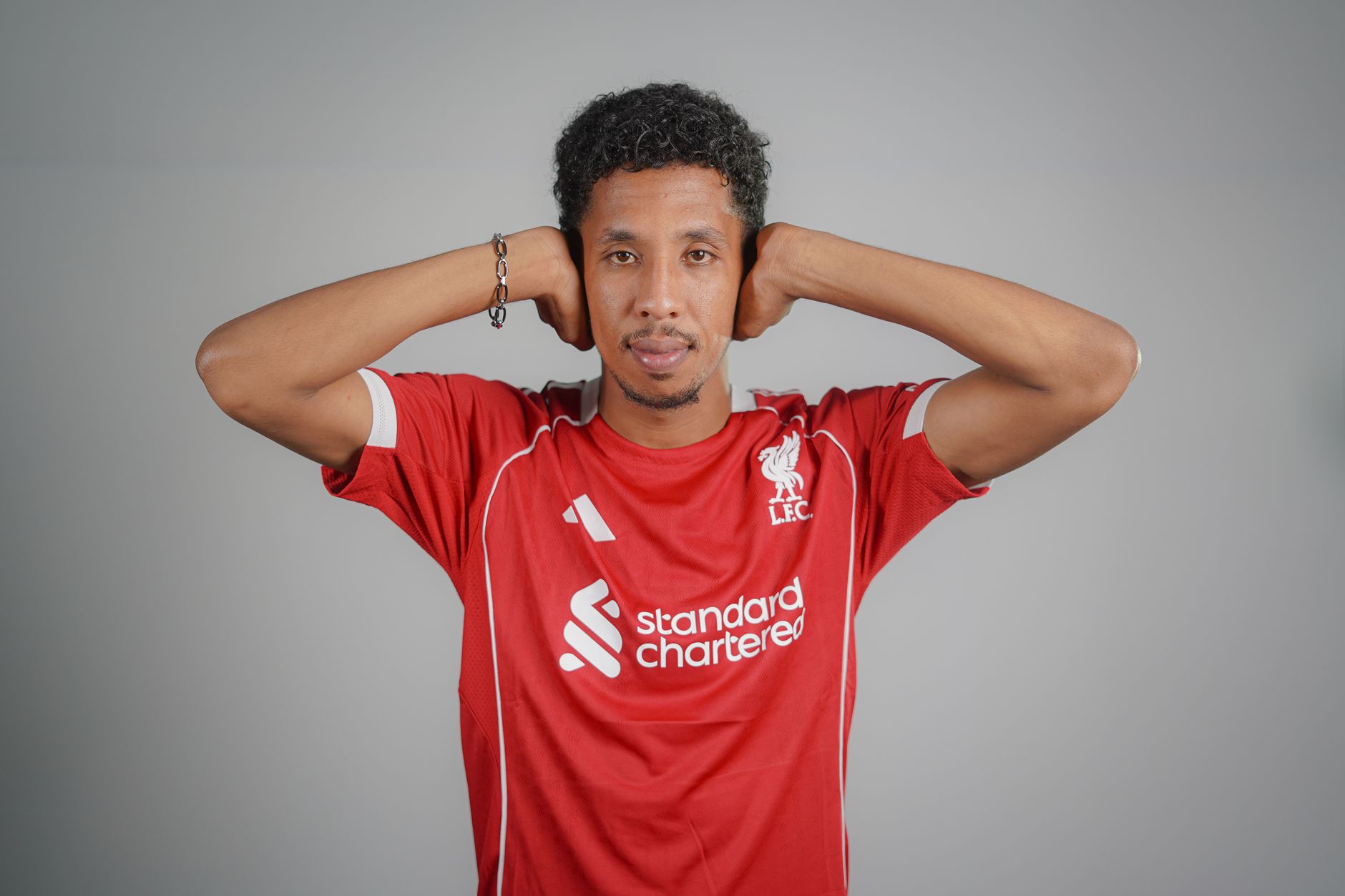
Photo by Ben Khatry on Pexels
Key conclusions from summer football transfers 2026
The 2026 transfer window has taught five useful lessons. First, scale matters: 1,041 deals and £4.7 billion indicate a major market, not a slow summer. Second, fees require context because bonuses, wages and contract length can change the real cost. Third, Aston Villa, Leeds United, Coventry City, Manchester City, Al-Qadsiah and Fenerbahce show how differently clubs pursue squad building. Fourth, the 2026 FIFA World Cup makes playing time and tactical fit more valuable than reputation alone. Finally, verification is not clerical work; it is the foundation of sensible analysis.
I'll be honest with you: no transfer list can predict the future perfectly. But a disciplined reader can avoid the obvious traps by checking sources, measuring roles and waiting for line-up evidence. That is the difference between following football news and being used by it. World Cup Hub will continue covering transfer impact, player statistics, team tactics and tournament predictions throughout 2026.
Ready to follow the market with better evidence?
Frequently Asked Questions
Q: What are summer football transfers 2026?
A: Summer football transfers 2026 are player moves completed during the 2026 off-season window, especially across the Premier League, La Liga, Bundesliga, Ligue 1 and Serie A. The latest cited tracker recorded 1,041 completed deals worth about £4.7 billion by 20 August 2026. The category includes permanent transfers, loans, free moves and deals with undisclosed fees, so readers should check the transaction type before comparing clubs.
Q: How can I check whether a 2026 football transfer is confirmed?
A: Check the buying club’s official announcement, the selling club’s statement and a reputable tracker such as The Guardian’s transfer database. Then confirm the player’s registration, transfer type, reported fee and publication date. A medical, work permit or international clearance can still delay availability even after an agreement has been reported, so “announced” and “eligible to play” are not always identical.
Q: What is the difference between a transfer fee and a transfer’s total cost?
A: A transfer fee is the amount paid to the selling club, while total cost can include wages, bonuses, agent payments, taxes and sell-on obligations. For example, a headline fee may show only the guaranteed payment and exclude appearance or qualification bonuses. Comparing annual contract cost with expected minutes gives a more accurate view of value than comparing headline fees alone.
Q: Are the biggest 2026 transfers automatically the best signings?
A: No, the biggest transfer is not automatically the best signing because value depends on tactical fit, minutes, age, wages and squad need. Tijjani Reijnders’ reported £52 million move from Manchester City to Al-Qadsiah is significant, but a smaller deal such as Sidiki Cherif’s £20.5 million move to Coventry City may deliver stronger development or resale value. Judge the role solved, not the publicity created.
Q: How do summer transfers affect 2026 FIFA World Cup players?
A: Transfers affect World Cup players mainly through starting opportunities, tactical roles, workload and manager confidence. A move can improve national-team selection prospects if it creates regular minutes, but joining a deeper squad may reduce playing time. Track starts, position, set-piece duties and injury status across the first six league matches before making strong conclusions.
Q: Why do transfer lists sometimes show duplicate or missing deals?
A: Transfer lists can show duplicates or missing deals because databases update rumours, loans, permanent moves and fee revisions at different times. A player may appear once when an agreement is reported and again when registration is completed, while undisclosed fees may be omitted temporarily. Use the date, source, transfer status and player destination to identify the latest valid entry.
Q: Does World Cup Hub provide transfer predictions or betting guarantees?
A: World Cup Hub provides football coverage, including transfer impact, team tactics, player statistics and match predictions, but it cannot guarantee betting outcomes. Transfer information should support research rather than replace bankroll limits, probability assessment or responsible gambling decisions. Confirm local laws and eligibility before using any betting service, and never stake money you cannot afford to lose.